Virtually There: Exploring Gran Café Góngora Through Immersive VR Technology
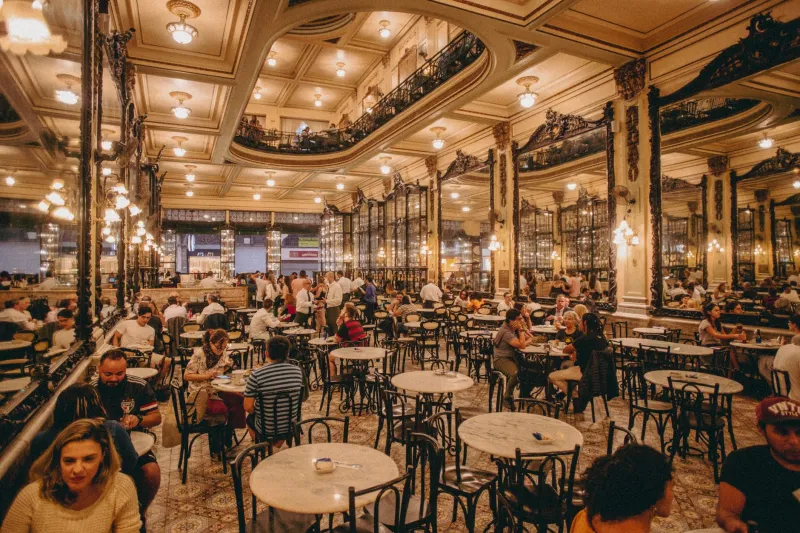
There's something almost magical about a great café. The lighting, the architecture, the hum of conversation, the smell of espresso — it's a full sensory experience. So it might seem like a strange fit for virtual reality, a medium that can't (yet) pipe aromas through your headset. But the virtual tour of Gran Café Góngora is a compelling argument that even atmosphere-driven spaces can translate beautifully into immersive digital experiences.
If you're here because you were trying to find and explore this virtual tour, you're in the right place. Let's talk about what makes it special, what it represents for the hospitality industry, and why this kind of immersive content is becoming a serious tool for restaurants and cafés around the world — including right here in the US.
What Is Gran Café Góngora?
Gran Café Góngora is a storied café with deep roots in Spanish culture, known for its classic architecture, elegant interiors, and the kind of timeless ambiance that makes you want to linger over a coffee for hours. It's the sort of place that has a personality — high ceilings, rich woodwork, ornate details that tell a story about decades of history.
That visual richness is exactly what makes it such a compelling subject for a virtual tour. When a space has genuine character, 360-degree immersive photography can capture it in a way that flat photos simply can't.
The Virtual Tour Experience
The Gran Café Góngora virtual tour puts you right in the middle of the café's interior, letting you look around in every direction and navigate between different areas of the space. It's the closest thing to actually sitting at one of those tables without booking a flight to Spain.
For VR enthusiasts, this kind of experience is a great example of what's sometimes called virtual tourism — using immersive technology to visit places you might not otherwise have access to. And for the café itself, the tour serves as an incredibly effective marketing tool, giving potential visitors a genuine feel for the space before they arrive.
Why Hospitality Is a Perfect Fit for Virtual Tours
Restaurants, cafés, hotels, and event venues are some of the best candidates for virtual tour technology, and here's why:
Atmosphere Is a Product
In hospitality, you're not just selling food or drinks — you're selling an experience. The environment is a huge part of what people are paying for. A virtual tour lets you communicate that environment directly, rather than hoping a few Instagram photos do the job.
Decision-Making Is Visual
People choose restaurants and venues largely based on how they look. Before making a reservation for a special occasion, most people are hunting for photos, videos, anything that helps them picture what the experience will feel like. A virtual tour is the most powerful answer to that question.
It Reduces Uncertainty
For travelers planning a trip — whether they're coming from across the country or across the ocean — being able to virtually visit a café or restaurant ahead of time removes a layer of uncertainty. You know what you're walking into, and that confidence makes you more likely to commit to the visit.
What American Restaurants Can Learn From This
Here in the US, virtual tours of hospitality venues are still pretty rare. You'll find them occasionally on hotel websites, and some high-end event venues use them for wedding planning. But the average American restaurant? Still relying on a handful of photos and a Yelp listing.
That's a missed opportunity, especially for:
- Fine dining establishments where atmosphere is a major part of the value proposition
- Event venues and private dining rooms where clients need to visualize their event before booking
- Unique or historically significant spaces where the environment itself is a draw
- Bars and cocktail lounges with distinctive design that sets them apart from the competition
The technology to do this is genuinely accessible right now. A professional 360-degree photography shoot can be done in a few hours, and platforms like Matterport or Kuula can host the result for a fraction of what you'd spend on a traditional marketing campaign.
The VR Headset Experience vs. Browser Browsing
One thing worth noting for fellow VR enthusiasts: there's a real difference between exploring a virtual café tour in your browser and experiencing it on a VR headset.
In a browser, you're moving your mouse to look around. It's nice, but it's more like controlling a camera than being in a space. On a headset, you're actually turning your head, looking up at the ceiling, leaning in to examine a detail on the wall. The sense of presence is completely different — and for a space as visually rich as Gran Café Góngora, the headset experience is genuinely impressive.
If you have a Meta Quest or similar device, it's worth pulling up virtual tours like this one in the headset browser. It transforms the experience from "interesting content" to "I feel like I'm actually there."
Virtual Tourism Is Growing Fast
The virtual tourism market has been expanding rapidly, accelerated by the pandemic years when physical travel was limited and people turned to immersive experiences to scratch that wanderlust itch. But even now that travel is back to normal, virtual tourism hasn't gone away — it's found its footing as a complement to physical travel, not a replacement for it.
People use virtual tours to:
- Research destinations before visiting in person
- Revisit places they've already been and want to relive
- Explore places they might never be able to visit physically
- Share experiences with friends and family who couldn't make the trip
Spaces like Gran Café Góngora, with their strong visual identity and cultural significance, are natural fits for this kind of content.
The Takeaway
The virtual tour of Gran Café Góngora is more than a cool piece of content — it's a sign of where hospitality marketing is heading. As immersive technology becomes more accessible and VR headsets become more common in American homes, the expectation that you can virtually visit a space before you physically visit it is going to become standard.
For venues that get ahead of this trend now, the payoff is real: better-informed guests, stronger emotional connection before the first visit, and a marketing asset that works around the clock without any additional effort.
For the rest of us, it's just a genuinely lovely way to spend a few minutes exploring a beautiful café from halfway around the world.