Who Pays for VR Therapy? The Billing Maze Behind the Headset in 2026
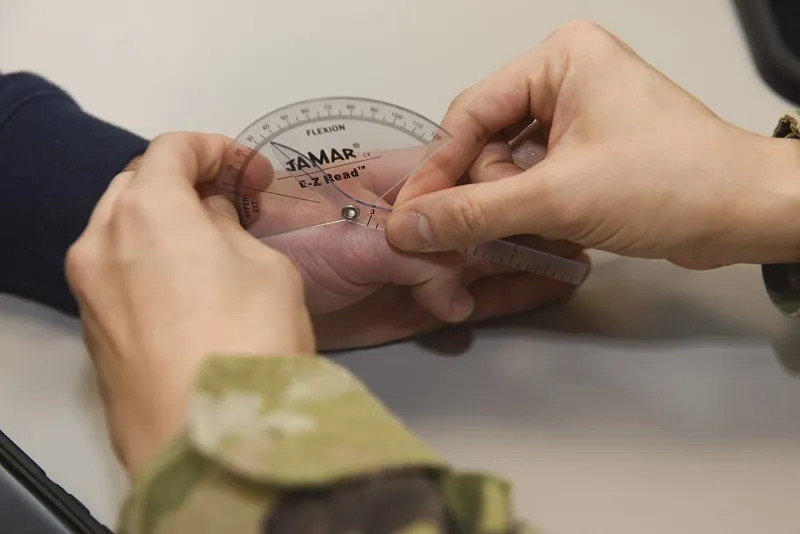
Photo: U.S. Air Force photo by Senior Airman Elizabeth Baker, Public domain, via Wikimedia Commons
VR therapy has a public relations problem and a billing problem. The public relations problem is that the phrase sounds like a Silicon Valley pitch. The billing problem is that it is genuinely hard to figure out who pays for it.
In 2026, US clinics are using virtual reality for pain distraction, exposure therapy, balance and gait rehabilitation, and cognitive assessment. Some of that work is supported by solid clinical evidence. Some of it is promising but thin. And some of it is a clinic with one headset and a grant that runs out next quarter. The difference between a durable treatment and a demo often comes down to a reimbursement code, a payer policy, or a patient's willingness to pay out of pocket.
The treatments are real; the payment categories are not
There is no single national benefit category called 'VR therapy' in the US. That is the first thing to understand. When a clinic bills for VR-assisted care, it usually bills for the underlying service: psychotherapy, physical therapy, occupational therapy, pain management, or a supervised rehabilitation session. The headset is a tool used during that service, not a separate covered benefit in most settings.
That distinction matters. A clinic can be paid for a 45-minute physical therapy session that happens to use VR. It generally cannot send a separate bill for 'VR' unless a specific payer policy or product pathway says otherwise. Some prescription digital therapeutics have cleared regulatory pathways for particular conditions, but that does not mean every insurer covers them automatically. Coverage is still plan-specific, state-specific, and often tied to prior authorization.
Where the evidence is strongest
The strongest evidence in 2026 is not evenly distributed. VR for pain distraction during uncomfortable procedures has a reasonable body of support, especially in burn care, dental anxiety, and some outpatient procedures. VR exposure therapy for specific phobias and anxiety disorders has also been studied enough to be taken seriously in behavioral health settings, though it is not a replacement for trained clinical judgment.
Rehabilitation is more mixed. VR-based balance and gait training shows promise for stroke recovery and some neurological conditions, but the results depend heavily on the protocol, the therapist's involvement, and the patient population. General wellness VR, the kind you buy at a electronics store, is not the same thing as a clinical intervention. That should be obvious. It is not always obvious in marketing materials.
The 2026 reimbursement patchwork
The payment landscape looks like a patchwork because it is one. Medicare and Medicaid may cover VR-assisted services when they fit under an existing covered benefit, but there is no broad, standalone national reimbursement for VR therapy. Private payers vary widely. Workers' compensation programs in some states have funded VR rehabilitation, particularly for pain management and return-to-work programs. The Department of Veterans Affairs has continued to explore VR for pain and mental health, but that does not translate into a universal civilian benefit.
Clinics often fill the gap with pilot grants, research funding, foundation money, or out-of-pocket fees. That creates an uncomfortable dynamic: a treatment can be clinically useful and still unavailable to the patient who needs it most. It also means a clinic's VR program can disappear when a grant cycle ends, even if patients have been using it for months.
What patients should ask before saying yes
If a clinic offers a headset-based treatment plan, the billing questions are not rude. They are necessary. Ask whether the VR session is billed as part of a covered service or as a separate charge. Ask who is supervising the session and whether that person is licensed to provide the underlying treatment. Ask what happens if the headset makes you nauseous or anxious. Ask whether the clinic has a backup plan that does not involve VR.
Those questions matter more than the brand of the headset. A good clinic will have clear answers. A clinic that treats billing as an afterthought may also treat session design as an afterthought. The two tend to travel together.
Why the boring details decide the scale
VR therapy will not scale because of a slick demo. It will scale if clinics can predict payment, document outcomes, and train staff without burning through grant money. That means clearer payer policies, better coding guidance, and more evidence on which patients benefit from which protocols. It also means honesty about what VR can and cannot do.
The technology is not the bottleneck. The billing system is. Until that changes, VR therapy will remain a promising tool in pockets of the US health care system, available to some patients and out of reach for others. That is not a headline. It is the reason the headline keeps getting delayed.