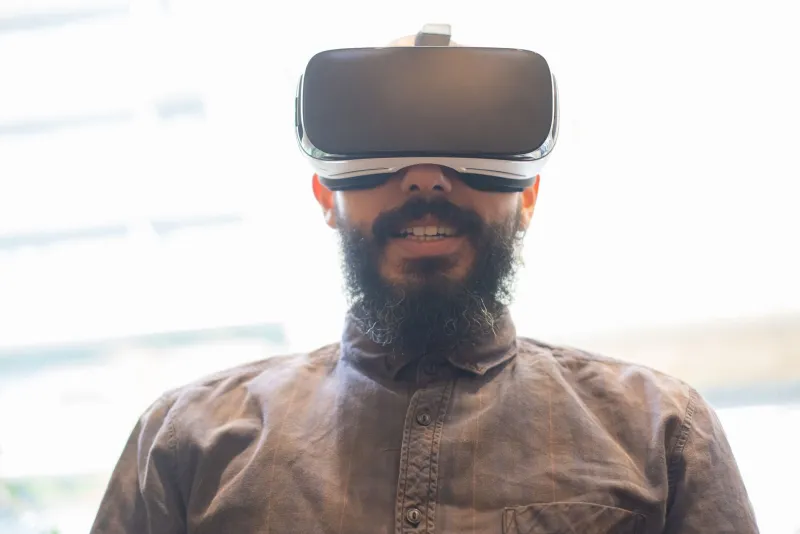
Gone But Not Forgotten: The Fight to Keep VR's Greatest Experiences Alive
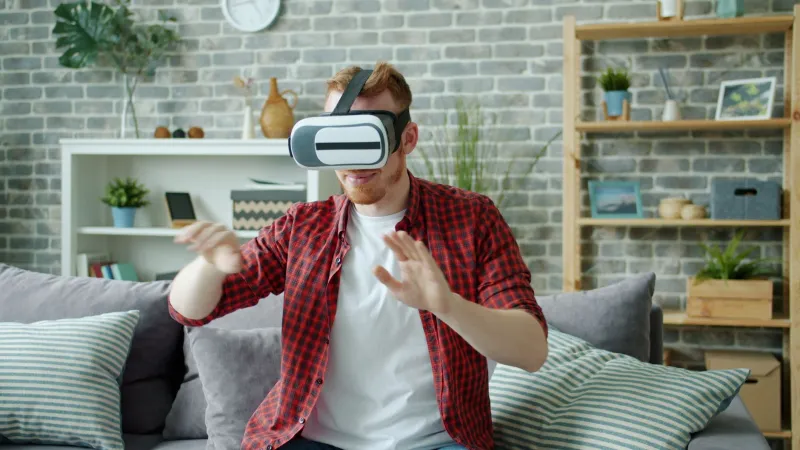
Imagine spending $500 on a headset, downloading a VR experience that genuinely changes the way you see the world — something that makes your jaw drop, your heart race, maybe even brings a tear to your eye — and then one day, it's just gone. No warning. No refund. No archive. Just a broken link where something extraordinary used to live.
This isn't a hypothetical. It's already happened hundreds of times, and most VR users have no idea how fragile their libraries actually are.
The Disappearing Act Nobody Warned You About
The VR content ecosystem has a memory problem. Studios fold. Platform exclusivity deals expire. Licensing agreements for music, film footage, or real-world locations run out. Server-dependent experiences go dark when the company behind them stops paying the bills. And unlike a physical game cartridge or a Blu-ray sitting on your shelf, most VR content exists in a kind of digital limbo — technically yours until it suddenly isn't.
High-profile casualties already litter the landscape. Google's Spotlight Stories, once celebrated as some of the most inventive immersive storytelling ever produced, quietly vanished from availability after Google shuttered the project. Oculus Story Studio — the team responsible for groundbreaking pieces like Lost and Henry — was disbanded in 2017, and while Meta has kept some titles accessible, the long-term fate of that catalog remains uncertain. Smaller studios haven't been so lucky. Dozens of indie VR experiences have simply ceased to exist, taking with them entire creative visions that had no backup plan.
"People treat VR content like it's permanent because it feels so real," says one independent developer who asked to remain anonymous while working on a preservation side project. "But the infrastructure holding it up is incredibly fragile. Way more fragile than people realize."
Why VR Is Especially Vulnerable
Traditional video games have a preservation community that's been fighting this battle for decades. Organizations like the Video Game History Foundation have made real progress advocating for legal protections and archival rights. VR doesn't have that yet — and the medium comes with its own unique complications.
For starters, a lot of VR experiences are deeply platform-dependent. They're built for specific hardware, specific operating systems, specific input schemes. An experience designed for the original Oculus Rift CV1 may not run on a Quest 3 without significant re-engineering — if it runs at all. Unlike a movie that can be ripped and stored as a file, interactive VR content is a living piece of software that degrades in usefulness as the hardware it was built for becomes obsolete.
There's also the licensing labyrinth. Some of the most beloved location-based VR experiences — think virtual tours of iconic American landmarks or immersive concert recreations — are built on rights that were never meant to last forever. When those rights lapse, the experience doesn't just become inaccessible. In many cases, it becomes illegal to distribute, even for preservation purposes.
Section 1201 of the Digital Millennium Copyright Act, a law that's been a thorn in the side of game preservationists for years, creates real legal risk for anyone trying to archive DRM-protected VR content. Until that changes at a policy level, preservation efforts exist in a legal gray zone that most organizations aren't willing to touch.
The People Trying to Fix It
Despite those obstacles, a loose network of archivists, open-source developers, and passionate community members is quietly doing the work.
The Internet Archive — best known for its Wayback Machine — has started cataloging some VR-adjacent content, though the technical complexity of interactive 3D experiences makes comprehensive preservation a much steeper climb than archiving a webpage. Meanwhile, communities on platforms like Discord and Reddit have become informal preservation hubs, sharing builds, patching compatibility issues, and keeping documentation alive for experiences that have officially gone dark.
On the developer side, a small but growing movement toward open-source release has emerged as studios wind down. Rather than letting a project die with the company, some developers have chosen to release their work under open licenses, handing the keys to the community. It's not common yet, but it's happening — and advocates want to make it the norm.
"If you built something meaningful, why wouldn't you want it to outlive you?" says one VR creator who open-sourced a critically praised experience after his studio dissolved. "The instinct is to hold onto it, but holding onto it usually just means it disappears."
WebXR is another piece of the puzzle getting serious attention. Because browser-based immersive experiences don't require a specific app ecosystem to function, they're inherently more portable and easier to archive. Some developers are actively porting older experiences to WebXR specifically to give them a longer shelf life — a kind of immersive content rescue operation happening in plain sight.
What You Can Do Right Now
You don't have to be a developer or an archivist to care about this. If you're a VR owner, there are practical steps worth taking today.
First, download what you love while you can. Many platforms allow local installation of purchased content. If an experience matters to you, make sure it's actually sitting on your device, not just in your purchase history.
Second, pay attention to studio health. If a developer you love goes quiet on social media or announces layoffs, their catalog might be at risk sooner than you think. It's worth checking whether their titles are still actively available.
Third, support preservation advocacy. Organizations pushing for DMCA reform — specifically exemptions that would allow nonprofit institutions to legally archive software — need public voices behind them. This is a policy fight as much as a technical one, and consumer pressure matters.
Finally, make noise when something disappears. Platform holders respond to user attention. When a beloved experience vanishes without explanation, community outcry has occasionally prompted developers to release titles for free or negotiate extended availability. It doesn't always work, but silence definitely doesn't.
The Bigger Picture
VR is still young enough that most users haven't felt this loss personally yet. But the medium is maturing fast, and the experiences being created right now — the ones that are shaping how people understand immersive storytelling, therapeutic applications, and social connection — deserve better than a digital landfill.
The film industry learned this the hard way. Roughly 70% of all silent films are gone forever, lost to nitrate decay, studio fires, and simple neglect before anyone thought to care. The VR community has a chance to learn from that history rather than repeat it.
The immersive frontier is worth exploring. It's also worth protecting.