Your Old Quest Is Someone Else's First Taste: What the Used VR Market Says About Quitting
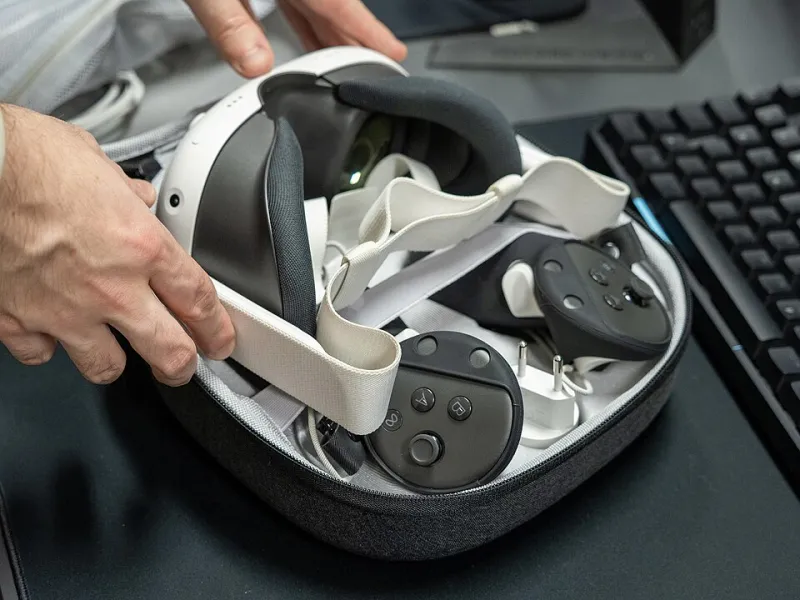
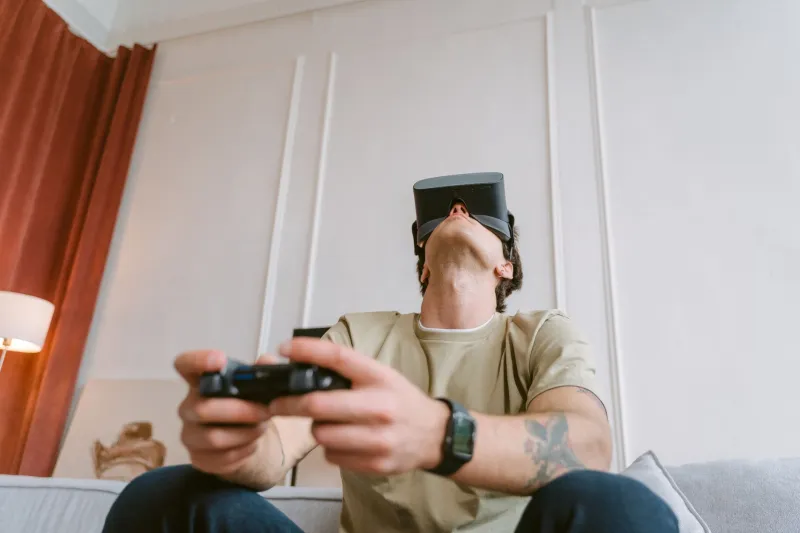
Photo: InclusiveGameLab, CC BY-SA 4.0, via Wikimedia Commons
Scroll through eBay for five minutes and you will see a pattern. Quest 2. Quest 3. Quest Pro. 'Barely used.' 'Bought for my kid, he lost interest.' 'Adult owned, only played a few times.' 'Moving, need gone.' The photos are almost always the same: a headset in a box, controllers still wrapped, a charging cable that looks like it has never been uncoiled.
This is the secondhand VR market, and it is booming. Not because VR is failing. Because a lot of people bought in, tried it, and walked away. The used market is the receipt. It tells you what happened after the hype, the unboxing, and the first weekend. It tells you who stayed and who quit.
The Listings Tell the Story
Resale volume for Quest headsets has climbed steadily over the past two years. On eBay, completed listings for Quest 2 units regularly number in the thousands. Facebook Marketplace is even messier, with local listings that range from 'like new' to 'screen has a scratch, still works.' Prices have settled into a predictable range. A used Quest 2 often goes for less than the cost of a nice dinner for two. A used Quest 3 is still pricey enough that buyers want receipts, photos, and a return policy.
The language in the listings is what really matters. 'Bought it for Beat Saber, got bored.' 'Too heavy for my neck.' 'Made me dizzy.' 'No games I liked.' 'My kid used it for a week.' 'I thought it would be more social.' These are not tech failures. They are expectation failures. People bought a device without a clear picture of what daily life with it would feel like.
That is the churn story. VR has a retention problem that starts before the second month. The hardware is good enough. The content is good enough. But the experience does not fit into most people's routines. It is not a phone. You cannot use it while walking the dog. You cannot scroll it on the couch while half-watching TV. It asks for your full attention, and most of us are not good at giving that.
Why People Quit
The reasons are consistent. Comfort is number one. The headset gets hot. The straps dig in. The lenses fog. The battery dies. Motion sickness is number two. Some people adapt. Some do not. Content is number three. The library is bigger than ever, but it is still not deep enough for every taste. If you do not like rhythm games, shooters, or fitness apps, you may struggle to find a reason to put it on.
Then there is the social factor. VR can be isolating. You are in a room alone with a screen strapped to your face. The shared experiences are great when they work, but they require other people to also have headsets and also want to use them at the same time. That is a high bar. A lot of people buy a headset, love it for a month, and then realize they do not have a VR friend group.
And finally, there is the setup tax. Updates. Account linking. Charging. Cleaning. Finding a safe play space. The friction is small in isolation, but it adds up. When you are tired after work, the couch wins.
The Buyer's Guide to Someone Else's Regret
If you are shopping the used market, you are not just buying a headset. You are buying someone else's abandoned hobby. That can be a great deal. It can also be a headache. Here is what to check.
First, ask about the lenses. Scratches are common and can ruin the experience. A microfiber cloth and a little patience can fix smudges, but deep scratches cannot. Ask for photos of the lenses with the headset on and the screen showing a bright image.
Second, check the battery. Quest headsets are not known for legendary battery health. Ask how long it lasts on a full charge. If the seller says 'I never really used it,' that can be good for the battery, but it can also mean the device sat dead for a year, which is not great.
Third, make sure the previous owner has removed their account. Meta has a factory reset process, but you want to confirm the device is not locked to someone else's profile. Ask for a video of the reset screen.
Fourth, ask about the controllers. Drift is real. The thumbsticks can wear out. Test them if you can. If you are buying online, use a platform with buyer protection and a return window.
Fifth, do not overpay. The used market is flooded. You have leverage. A Quest 2 should be cheap. A Quest 3 should be meaningfully cheaper than new, especially if it does not come with a warranty. And always ask why they are selling. The answer will tell you more than the listing photos.
What This Means for VR's Retention Problem
The secondhand market is not a sign that VR is dying. It is a sign that VR is still figuring out how to become a habit. Every used headset is a data point. It says: this person wanted to be part of the future, but the future did not fit into their Tuesday night.
The industry should be paying attention. The next wave of buyers will be more skeptical. They will have seen the listings. They will know that a headset is easy to buy and hard to keep using. The companies that win will be the ones that solve comfort, content discovery, and social stickiness, not just the ones with the best launch demo.
For now, the used market is a gift for budget-conscious buyers and a warning sign for everyone else. Your old Quest is someone else's first taste. The question is whether they will keep it longer than you did.