Scalpels, Blueprints, and Anxiety: The Professionals Using VR to Change Everything
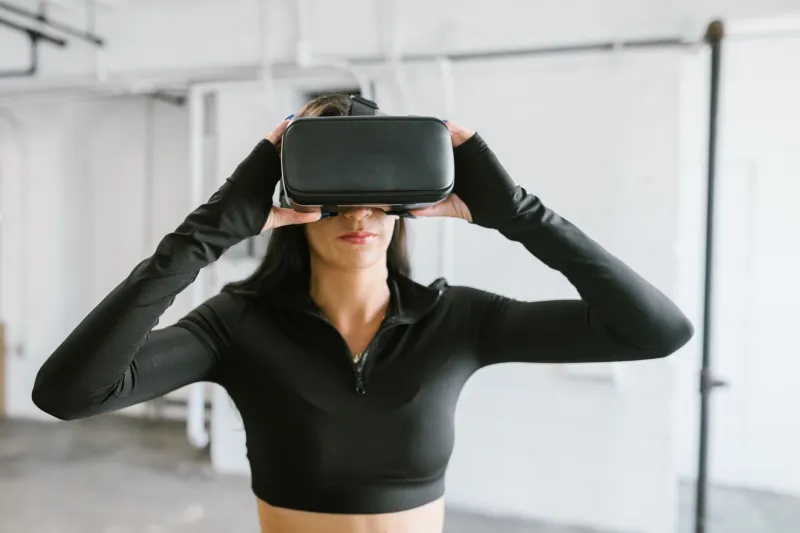
Most people's first VR experience involves a game controller and some kind of alien landscape. But for a growing number of American professionals, a headset is becoming just another tool in the kit — sitting alongside surgical instruments, drafting software, and therapy intake forms. The use cases are genuinely fascinating, the outcomes are measurable, and the adoption curve is still climbing.
We spent time talking to practitioners across medicine, architecture, and mental health to get a ground-level view of what immersive technology actually looks like when it's doing serious work.
In the Operating Room (Before the Operating Room)
Surgical training has always had an uncomfortable tension at its core: the best way to learn a procedure is to perform it, but performing it means a real patient is involved. Simulation has tried to bridge that gap for years, but physical models and two-dimensional video walkthroughs only go so far.
VR changes the equation. Medical simulation platforms now allow surgical residents to rehearse complex procedures in fully immersive environments — including rare complications that might not come up in years of clinical rotations. The trainee can make mistakes, reset, and try again without consequence.
"The spatial understanding you get from VR is just different," said one attending physician at a teaching hospital in the Midwest who uses immersive simulation as part of their residency program. "You can watch a procedure on video a hundred times and still be surprised by the geometry of it when you're actually in there. VR closes that gap."
Beyond training, some surgical teams are using VR for pre-operative planning — essentially rehearsing a specific patient's procedure using imaging data converted into a three-dimensional virtual environment. The surgeon walks through the operation before ever picking up a tool. Early research suggests this kind of preparation can reduce operating time and improve outcomes, though the evidence base is still building.
The barrier? Cost and integration. Hospital-grade surgical simulation platforms aren't cheap, and getting them approved through institutional purchasing processes can take years.
Architecture That You Can Walk Through Before It Exists
For architects, the pitch for VR is almost embarrassingly obvious once you hear it: instead of showing a client a floor plan or a rendered image, you put them inside the building. They walk the hallways. They stand in the kitchen. They look out the window at the view. All before a single foundation is poured.
Firms across the country — from boutique residential studios to large commercial practices — are integrating VR walkthroughs into their client presentation process. The practical upside goes beyond the wow factor. When clients can actually experience a space rather than interpret a drawing, they catch things earlier. A room that looks fine on paper feels claustrophobic in VR. A window placement that seemed logical in a 2D elevation creates an awkward sightline when you're standing in the virtual room.
"We've had clients completely change their minds about a layout after a VR walkthrough — and they were relieved they did," one principal architect at a Chicago-based firm told us. "Catching that before construction is the difference between a revision fee and a renovation."
Real estate developers are running a similar play, using immersive walkthroughs to pre-sell units in buildings that are still under construction. Prospective buyers can tour a finished apartment months before it exists, which changes the sales dynamic considerably.
The main friction here is workflow integration. VR-ready 3D models require more detailed preparation than traditional renders, which adds time and cost to the design process. Smaller firms often struggle to absorb that overhead without passing it on to clients.
Treating Fear With the Thing That Scares You
Of all the professional VR applications gaining traction in the US, mental health treatment might be the one with the most immediate human stakes — and the most compelling evidence base.
Exposure therapy — gradually and safely confronting feared situations — has been a cornerstone of treatment for phobias, PTSD, and anxiety disorders for decades. The problem has always been practical: how do you expose a patient to a crowded airport, a high bridge, or a combat scenario in a therapist's office? You mostly couldn't, at least not convincingly.
VR changes that. Therapists can now walk patients through immersive simulations of their specific triggers, controlling the intensity, duration, and environment with precision that real-world exposure never allows. A veteran working through combat-related PTSD can engage with carefully constructed scenarios in a safe, monitored setting. Someone with severe social anxiety can practice navigating a crowded party before attempting it in real life.
A licensed clinical psychologist practicing in the Pacific Northwest described it this way: "It gives us a level of control over the therapeutic environment that we've never had before. We can dial the difficulty up or down in real time based on how the patient is responding. That's genuinely new."
Clinical research in this space is accelerating, with multiple studies showing VR-assisted exposure therapy producing results comparable to — and in some cases better than — traditional approaches for specific conditions.
The adoption barrier here is partly financial and partly cultural. Many therapists aren't tech-comfortable, and adding hardware to a clinical practice requires training, maintenance, and insurance considerations that not every practitioner is ready to take on.
The ROI Question Everyone's Actually Asking
Across all three fields, the conversation eventually comes back to the same place: is this worth the investment? The honest answer is: it depends, and the math is getting better.
For hospitals, the calculus involves reduced training time, fewer procedural errors, and better resident preparedness — all of which have real dollar values attached. For architecture firms, catching a design mistake in VR before construction is almost always cheaper than catching it after. For therapists, faster patient progress and reduced session counts can justify the equipment cost over time.
What's slowing mainstream professional adoption isn't skepticism about whether VR works. Most practitioners who've tried it are convinced. The friction is institutional: procurement processes, insurance reimbursement frameworks, professional licensing standards, and plain old habit.
The professionals already using VR in their work aren't waiting for permission, though. They're building the case study library that will eventually make the decision easier for everyone else.