Inside the VR Tour Experience: What Makes an Immersive Walkthrough Worth Your Time
Somebody sent you a link. Maybe it was a real estate agent, a travel brand, a museum, or a friend who just couldn't stop talking about some virtual space they'd stumbled into. You clicked it, looked around for thirty seconds, and then... closed the tab.
Sound familiar? You're not alone. But here's the thing — not all virtual tours are created equal. Some of them are genuinely worth your time, and once you know what to look for, you'll never waste a click on a bad one again.
The Difference Between a Virtual Tour and an Immersive Experience
Let's clear something up right away: a virtual tour and a truly immersive VR experience are not the same thing, even though the terms get thrown around interchangeably all the time.
A basic virtual tour is often just a series of 360-degree photographs stitched together. You can drag your mouse around, click to move between hotspots, and maybe read a few captions. It works. It's fine. But it's about as immersive as flipping through a really fancy photo album.
A genuinely immersive experience — the kind that makes your brain actually feel like it's somewhere else — layers in spatial audio, interactive elements, smooth locomotion, and in the best cases, full headset compatibility. That's the difference between seeing a place and being in it.
When a tour link shows up in your browser, the first thing worth figuring out is which category it falls into. Great immersive tours will usually tell you upfront whether they support VR headsets, and many now work across devices — desktop, mobile, and standalone headsets like the Meta Quest series.
What the Best Virtual Tours Actually Get Right
After spending time with a lot of immersive experiences here at GuruVR, a few consistent markers separate the good from the forgettable.
Spatial audio is a game-changer. When sound shifts as you move through a space — footsteps echoing differently in a tiled hallway versus a carpeted room, ambient noise fading as you move away from a window — your brain fills in the gaps and starts to believe the environment is real. Tours that skip this step always feel a little hollow, even if the visuals are stunning.
Hotspots that actually teach you something. Clickable information points are a staple of virtual tours, but the best ones use them sparingly and purposefully. A hotspot that opens a paragraph of dense text kills the mood. One that triggers a short audio clip from a real person, or reveals an animated detail about the space, keeps you engaged without breaking immersion.
Smooth transitions between areas. Jarring cuts from one location to another are one of the fastest ways to remind your brain that you're staring at a screen. Tours that use animated transitions — a gentle fade, a simulated walk, even a short cinematic cut — maintain the sense of presence much more effectively.
Optimized load times. This one sounds boring but it matters enormously. If a tour takes fifteen seconds to load each new area, the immersion is gone before it even starts. The best platforms pre-load adjacent spaces in the background so movement feels fluid and natural.
How to Actually Enjoy a Virtual Tour (Regardless of Your Setup)
You don't need a high-end headset to get something meaningful out of a well-made virtual tour. Here's how to get the most out of whatever you're working with.
On desktop: Full-screen mode is your friend. Close your other tabs, turn off notifications, and use headphones. Seriously — headphones transform a mediocre tour into something that actually holds your attention. If the tour supports a VR mode icon in the corner, click it even on desktop; some platforms offer a gyroscopic view mode that works with your mouse in a more intuitive way.
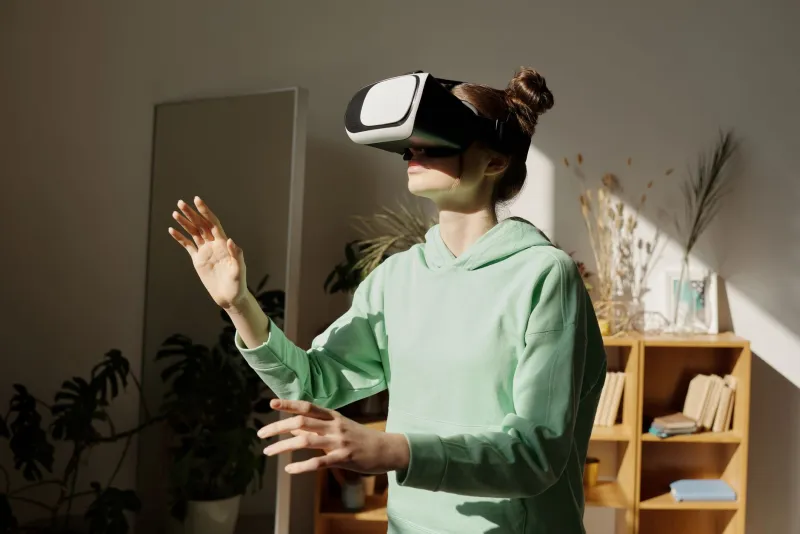
On mobile: Your phone's gyroscope is a surprisingly effective immersion tool. Hold your phone up and physically turn around to look at different parts of the space. It sounds silly until you try it, and then it feels weirdly natural. Again — headphones.
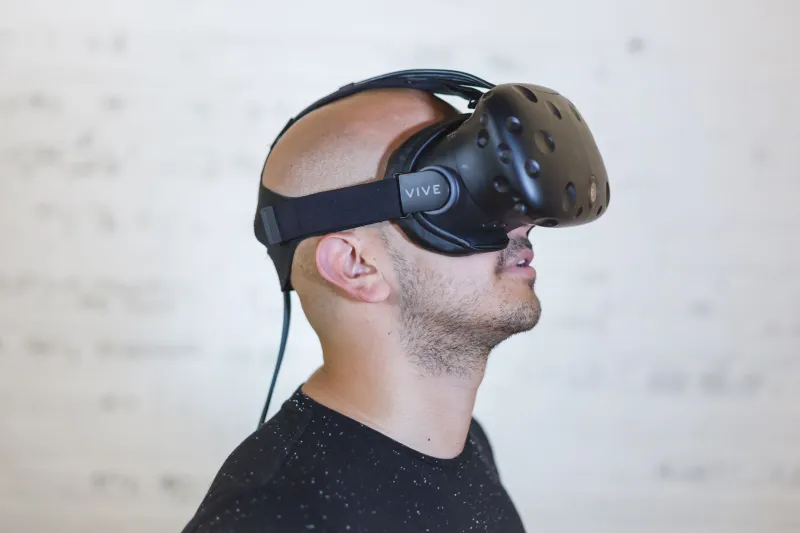
On a VR headset: If you've got a Meta Quest, a PSVR2, or any standalone headset, check whether the tour platform has a dedicated app or a browser-based VR mode. Many modern immersive tour platforms are built on WebXR, which means they'll work directly in your headset's browser without downloading anything extra. This is where the experience really clicks into place.
Why Businesses Are Investing Heavily in This Space
Virtual tours aren't just a novelty anymore — they're a serious business tool, and American companies across industries are starting to figure that out.
Real estate has been the early adopter, but the use cases have expanded dramatically. Hotels and resorts use immersive tours to convert browsers into bookers. Universities offer campus walkthroughs for prospective students who can't travel. Manufacturers use them to show off facilities to clients without flying anyone across the country. Event venues let couples tour their wedding spaces from the couch.
The data backs up the investment. Studies consistently show that listings with virtual tours get more engagement, and users spend significantly more time with immersive content than with static photos. For any brand trying to communicate a sense of place, a well-executed virtual tour is one of the highest-ROI content investments available right now.
What to Look For When You're Evaluating a Tour
Next time a tour link hits your inbox or pops up in your social feed, run it through this quick mental checklist:
- Does it load quickly and feel smooth to navigate?
- Is there spatial audio, or does it feel eerily silent?
- Can you access it on your headset if you have one?
- Do the interactive elements add something, or are they just clutter?
- Does it make you feel like you're somewhere, or just like you're looking at pictures?
The bar for virtual tours has risen considerably over the last few years. Platforms are more sophisticated, creators are more experienced, and the hardware people are using to view them keeps getting better. A link that might have seemed impressive in 2019 could feel dated today — and a link that feels genuinely magical right now is a sign that someone put real craft into it.
The immersive web is still young, but it's growing up fast. And the best way to appreciate how far it's come is to actually spend time in the experiences being built right now — not just click around for thirty seconds before closing the tab.
Give the next one a real shot. You might be surprised where it takes you.