Touch Is the Next Battleground: What the Haptic Tech Boom Means for Your Wallet
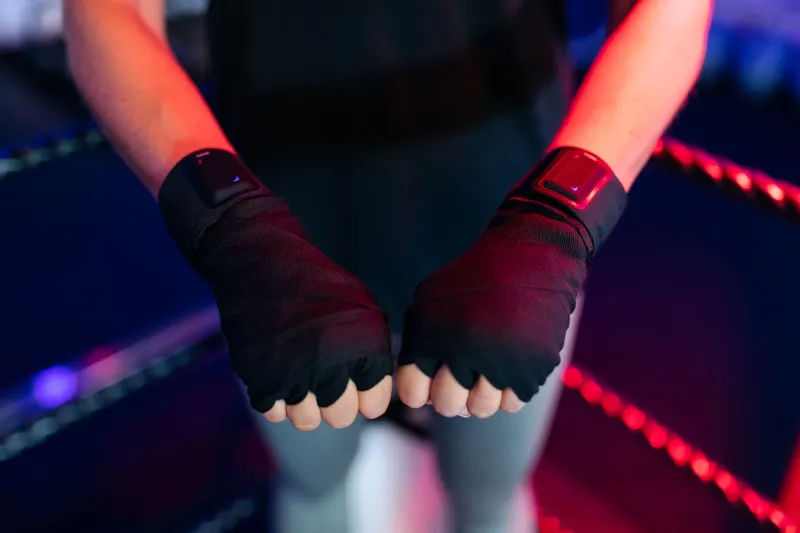
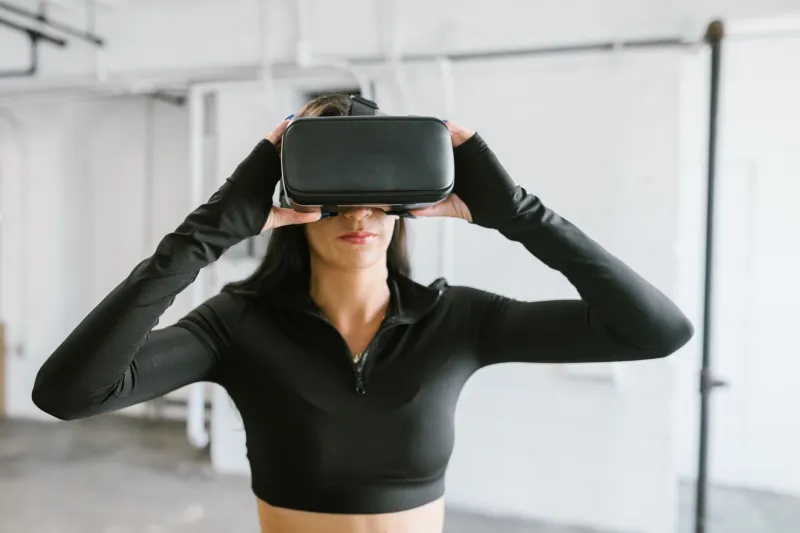
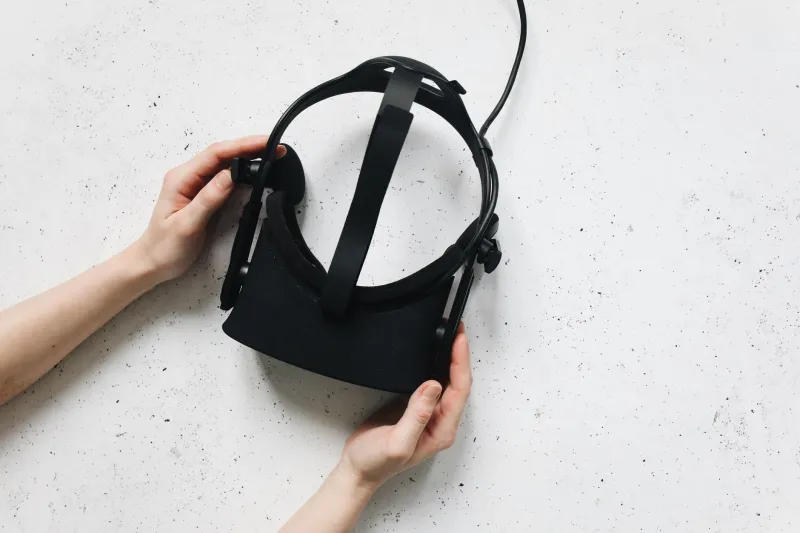
For a long time, VR had a pretty obvious problem: you could see a virtual world, hear it, even move around inside it — but you couldn't feel a damn thing. Grab a virtual sword? Your hand just passes through. Shake someone's hand in a virtual meeting? Your fingers feel air. That gap between visual immersion and physical sensation has been the elephant in the headset room since the early days.
That's changing fast. A wave of companies — some funded by defense contracts, others by gaming enthusiasts with deep pockets — are racing to solve the touch problem. The result is a haptic tech arms race that's producing genuinely impressive hardware. It's also producing price tags that'll make you do a double-take.
So what's actually going on in the haptic space, what should you realistically expect from these devices, and is any of it worth buying right now? Let's break it down.
Why Haptics Are Harder Than They Look
Replicating touch is, objectively, one of the harder engineering problems in consumer tech. Your skin contains millions of mechanoreceptors — specialized nerve endings that detect pressure, vibration, texture, and temperature simultaneously. When you pick up a coffee cup, your nervous system is processing a ridiculous amount of sensory data in real time.
Early haptic devices — think the rumble pack in your old Nintendo 64 controller — basically cheated. They vibrated, and your brain was generous enough to interpret that as "something happened." Modern VR controllers do the same thing with more nuance, using eccentric rotating mass (ERM) motors or linear resonant actuators (LRAs) to create slightly more varied feedback.
But next-gen haptic gloves are trying to do something fundamentally different. Instead of just buzzing, they're attempting to simulate actual resistance, texture, and localized pressure. That requires a completely different toolkit — pneumatic chambers, microfluidic systems, piezoelectric actuators, or even ultrasonic arrays that push air against your skin without touching it. Each approach has tradeoffs in weight, latency, power consumption, and cost. Building something that's accurate and wearable and affordable is the holy trinity nobody has fully cracked yet.
Who's Actually Building This Stuff
The market right now is split between a few distinct camps.
HaptX is probably the most talked-about name in serious haptic gloves. Their flagship product uses microfluidic technology — essentially tiny air bladders that inflate against your fingertips — to simulate realistic pressure and texture. The results, by most accounts, are legitimately impressive. The catch? HaptX gloves are aimed squarely at enterprise customers: training simulators, surgical practice, high-end design work. We're talking five-figure price points. Regular consumers aren't the target audience yet, though the company has signaled interest in eventually moving downstream.
bHaptics has taken a more accessible route with their TactSuit line — vests and arm sleeves that use an array of vibrotactile actuators to map sensations across your torso and limbs. It's not the same as true touch simulation, but for gaming and immersive experiences, the effect is genuinely cool. A full TactSuit runs a few hundred dollars, which puts it in the "serious enthusiast" range rather than "average consumer" territory.
Manus and SenseGlove occupy a middle ground, producing gloves that combine finger tracking with force feedback — useful for industrial training and VR development. Again, enterprise pricing.
On the more experimental end, startups like Emerge have been demoing ultrasonic haptic displays that create touch sensations mid-air, no gloves required. It sounds like science fiction, and honestly it kind of still is — but the demos are striking enough that major players are paying attention.
The Consumer Reality Check
Here's where we have to be straight with you: if you're a regular VR user hoping to grab a pair of haptic gloves to enhance your gaming sessions, the current market is frustrating. The products that actually work well are priced for businesses with training budgets. The products priced for consumers are either basic vibration systems with a haptic rebrand or early-stage hardware that requires significant patience and tinkering.
That said, the trajectory is genuinely encouraging. Prices on serious haptic hardware have been dropping — not fast enough for most people's budgets, but consistently. And the competitive pressure is real. With Meta investing heavily in haptic research (their Reality Labs division has published some fascinating work on wearable tactile interfaces), and with Sony continuing to refine the DualSense's adaptive triggers as a gateway drug to richer haptic experiences, the mainstream moment feels closer than it did two years ago.
What You Should Actually Buy Right Now
If you're shopping with real money and want haptic enhancement today, here's a practical framework:
For gaming immersion on a budget: The bHaptics TactSuit X40 (around $500) is the most proven consumer-grade option. It won't simulate texture or fine touch, but the spatial feedback across your torso adds a real dimension to supported games. Check the bHaptics app for compatible titles before buying — library support matters.
For hand presence in VR: The Meta Quest's controller haptics remain underrated. If you're not already using apps that take advantage of them, explore that before spending anything. For a step up, SenseGlove Nova gloves are worth watching — they're coming down in price and offer genuine finger resistance feedback, though you're still looking at professional-tier costs.
For the truly curious: Keep an eye on crowdfunding and early-access programs. Several startups are targeting the $200–$400 consumer glove space for 2025 launches. Being an early adopter here carries risk, but if you want to be ahead of the curve, that's where the action is.
Is This Gimmick or Genuine?
Honest answer: it depends entirely on the product and your use case. Slapping the word "haptic" on a vibrating wristband and charging a premium for it? That's gimmick territory, and there's plenty of that in this market.
But the underlying technology — particularly microfluidic pressure systems and multi-point actuator arrays — represents real, substantive engineering progress. The question isn't whether haptics work. It's whether the right products exist at the right price point for mainstream users yet.
We're not quite there. But we're closer than we've ever been, and the companies doing serious work in this space aren't slowing down. If anything, the competition is accelerating.
Keep your hands in your pockets for now — metaphorically speaking. But start getting familiar with what's coming, because the next 18 months in haptic tech are going to be genuinely interesting.