Locked Out of Your Own Gear: The Growing Crisis of VR Controller Availability
You drop your controller. It happens. Maybe the wrist strap snaps mid-swing in Beat Saber, maybe a toddler introduces it to a hardwood floor. Either way, you go to replace it — and that's when things get weird.
The official replacement is either backordered for months, discontinued entirely, or priced so close to a full new headset bundle that you start questioning your life choices. Welcome to one of the more frustrating and underreported problems in consumer VR right now: the controller availability crisis.
How Bad Is It, Actually?
Depending on which ecosystem you're in, "bad" ranges from "mildly inconvenient" to "your headset is effectively bricked."
Users of older headset generations have been hit hardest. When manufacturers push new hardware, support for previous-generation accessories tends to quietly wind down. Production runs end. Inventory sells through. And then the only place to find a working replacement is eBay, Facebook Marketplace, or a handful of third-party retailers charging a significant markup over original retail.
Jordan Kessler, a VR enthusiast from Portland, Oregon, found himself in exactly this position last spring. "My left controller started drifting badly — a known hardware issue — and when I went to replace it, the official store had it listed as unavailable. No timeline, no explanation. I ended up spending $140 on a used one from a reseller that turned out to have the same problem."
Jordan's situation isn't unusual. Community forums dedicated to VR hardware troubleshooting are full of similar stories, with threads stretching hundreds of replies as users pool information about which third-party sellers are legitimate, which repair shops can fix thumbstick drift, and which headsets are worth buying in 2024 specifically because replacement parts are still available.
The Supply Chain Layer Nobody Warned You About
VR controllers are more complex than they look. They contain custom-designed tracking sensors, haptic feedback motors, proprietary battery configurations, and firmware that has to talk specifically to your headset's operating system. That last part is the kicker — unlike, say, a USB mouse, you generally can't swap in a third-party controller from a different ecosystem and expect it to work.
This proprietary lock-in is partly a technical reality and partly a business decision. Manufacturers have little incentive to make their accessories interoperable because interoperability would reduce the stickiness of their ecosystem. If your controllers worked with any headset, you'd have more freedom to switch platforms. That's not in their interest.
The supply chain itself adds another layer of complexity. Many of the components inside VR controllers — particularly the optical sensors and custom ICs — are sourced from a relatively small number of manufacturers, some of whom have faced their own capacity constraints in recent years. When a VR company decides to discontinue a controller model, they're not just flipping a switch. They're winding down relationships with suppliers, clearing out component inventory, and reallocating manufacturing capacity. Once that process is complete, going back is expensive and slow.
"The economics of VR accessories are brutal," says one hardware industry consultant who asked not to be named because of ongoing client relationships. "These aren't high-margin products. Manufacturers make their money on software and services. Keeping older controller lines alive means eating real costs for a shrinking user base. Most companies will cut that line before they cut anything else."
The Secondary Market: Buyer Beware
With official channels drying up, a thriving — and sometimes sketchy — secondary market has emerged. eBay listings for discontinued controllers routinely sell for 150 to 200 percent of original retail. Some sellers are legitimate; others are offloading units with the same defects that drove the original owner to sell.
A handful of independent repair shops have built businesses around VR controller refurbishment, replacing thumbsticks, fixing drift issues, and rebuilding battery connections. These shops represent a genuinely valuable resource, but they're operating without official support, which means repair quality varies and parts availability depends on whatever stock they've managed to accumulate.
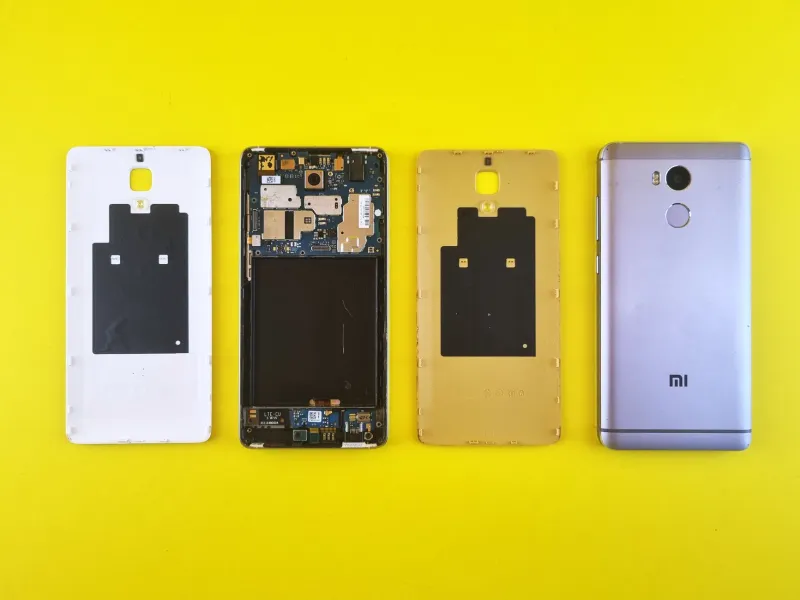
There's also a growing DIY community on platforms like YouTube and Reddit that documents controller teardowns and publishes repair guides. For technically inclined users, replacing a thumbstick module or a worn trigger mechanism is achievable — if you can source the part. That "if" is doing a lot of heavy lifting.
Could Right-to-Repair Change Any of This?
Right-to-repair legislation has gained real momentum in the US over the past few years. Several states have passed or are actively considering laws that would require manufacturers to make repair documentation, diagnostic tools, and replacement parts available to consumers and independent repair shops. Minnesota passed a right-to-repair law in 2023. California has its own version. Federal legislation has been introduced, though it hasn't moved far.
So far, most of the focus has been on smartphones, laptops, and agricultural equipment. VR hardware hasn't been a central part of the conversation yet. But advocates argue it should be.
"The same principles apply," says an electronics policy researcher familiar with right-to-repair advocacy efforts. "If you buy a $500 headset, you should have a reasonable expectation that you can maintain it for more than two or three years without being forced into a new purchase. The current situation — where a single broken controller can render an entire system unusable — is exactly the kind of thing these laws are designed to address."
For right-to-repair to meaningfully impact VR, it would likely need to require manufacturers to offer replacement components at fair prices for a minimum period after a product's discontinuation, and to publish repair documentation. Neither of those things is currently standard practice in the industry.
What You Can Do Right Now
If you're buying a headset today — or trying to protect the one you already own — here's the practical playbook:
Research parts availability before you buy. It sounds tedious, but spending 20 minutes in community forums before committing to an ecosystem can save you serious headaches. Some platforms have dramatically better parts availability than others.
Buy a second controller now if yours is still available. This is especially relevant for older headset generations. If you love your setup, a backup controller stored in a drawer is cheap insurance.
Learn basic maintenance. Controller drift is often caused by dust and debris around the thumbstick mechanism. Compressed air and basic cleaning can extend a controller's useful life significantly.
Bookmark reputable repair shops. A few independent shops have earned solid reputations in the VR community. Know who they are before you need them.
Follow right-to-repair developments in your state. If this issue matters to you — and it should, given how much money VR hardware costs — staying informed and supporting advocacy organizations is one of the few levers consumers have.
The VR industry loves to talk about immersion and presence and the future of human experience. It talks a lot less about what happens when the hardware breaks two years after your warranty expires. That gap between the pitch and the reality is something every buyer deserves to understand before they swipe their card.